Circularity in electronics

Vinnova | hässleholm miljö | Axis communications

A close up of a security camera from Axis, hanging on a wall outside. With graphic overlay of a circular model
challenge

Where to begin?

How can an electronics manufacturing company switch to a more circular and bio-based economy in an international market? What are the main obstacles and opportunities, and how can we scale up the solutions and be on par with the 2030 climate goals?

The project was sponsored by the Swedish innovation agency, Vinnova. The company in focus was Axis Communications, the large Swedish manufacturer of network-based solutions in the areas of physical security and video surveillance. Our collaboration with Axis goes back for over a decade, which made it easier to navigate the complexity of a large organization like this. We also partnered with Swedish waste company Hässleholm Miljö for their expertise in recycling solutions and systems.
approach & purpose

Activities, deliverables, achievements

To investigate the challenge we initiated a 1,5 year research project mapping the requirements needed to enable electronics manufacturing companies to address sustainability across all parts of the value chain.

It’s urgent to speed up the transition towards more sustainable and circular solutions if we are to reach the 2030 climate goals, and we understand the great responsibility that we have as designers. We see that the necessary transition is a big challenge for many companies and that many of our clients struggle to take the next step, to move from small incremental improvements towards real transformation and new business opportunities.
read more
Design agency in Malmö Sweden, creating industrial design, ux and ui design, service design, sustainable design, circular design, web design, graphic design, branding, engineering. Design agency in Malmö Sweden, creating industrial design, ux and ui design, service design, sustainable design, circular design, web design, graphic design, branding, engineering.
The social attitude towards a circular economy
During this project we have also taken into consideration criticism of the circular economy model and other possible solutions. The circular economy may not be the only or the fix-all solution, but it is the model that both EU and Sweden has identified as the key strategy for society to adjust and meet the high goals that exist both nationally and globally to cope with the climate crisis, and we can expect large investments and legislations to accelerate this transformation in the next few years. Electronics have been pointed out as one of the next important focus areas in this process. They are often built in complex ways, consist of valuable components and resources, are difficult to recycle efficiently and are rarely produced close to the market. Most electronics do not qualify for Cradle-to-Cradle certification.
project scope

EU goals and electronics

For 1.5 years, our team of designers and design engineers has studied key obstacles and opportunities for the transition towards more sustainable and circular offerings, and how to scale up the solutions. The starting point was some of Axis bestselling surveillance cameras. From there we zoomed out to the entire value chain to take a position on how similar companies can better respond to requirements and opportunities regarding sustainability.
read more
Design agency in Malmö Sweden, creating industrial design, ux and ui design, service design, sustainable design, circular design, web design, graphic design, branding, engineering. Design agency in Malmö Sweden, creating industrial design, ux and ui design, service design, sustainable design, circular design, web design, graphic design, branding, engineering.
How we tackled the project
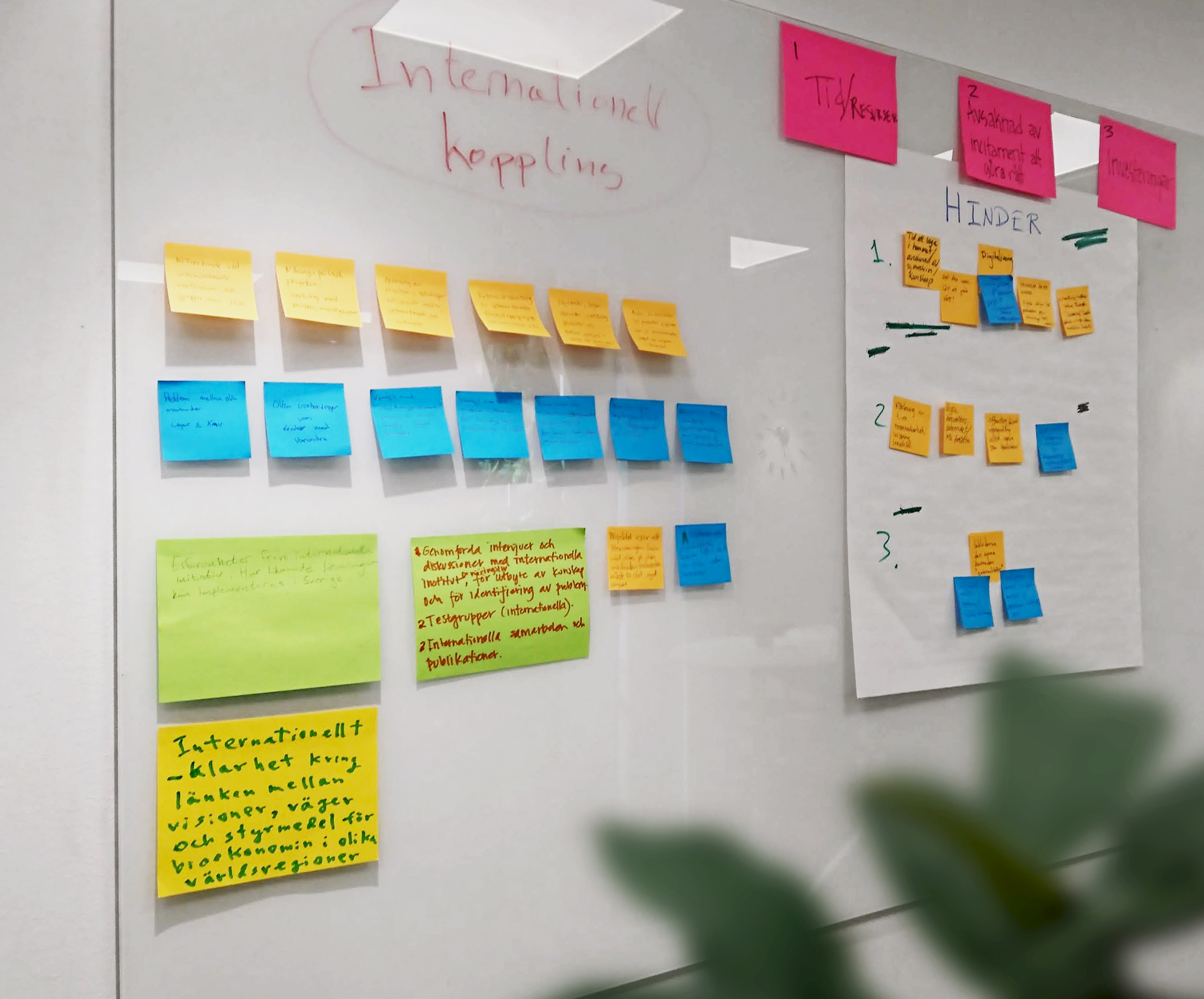
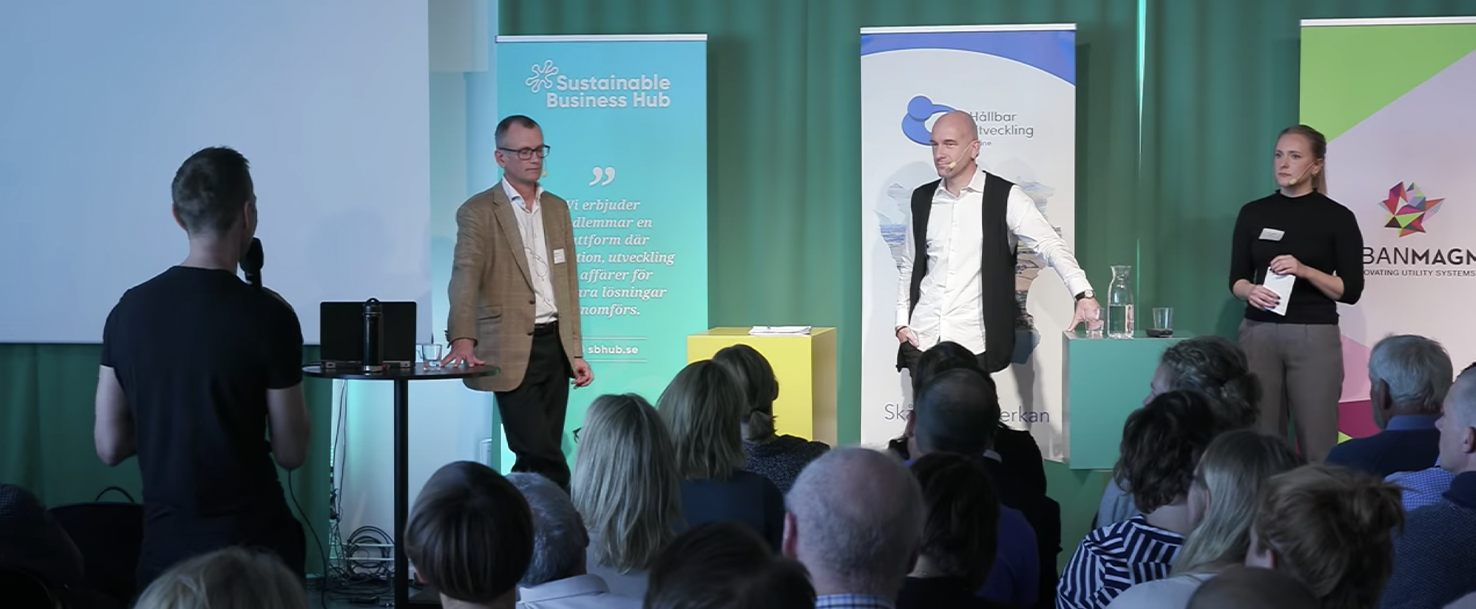
With input from Axis, Hässleholm Miljö and a large number of other stakeholders, we mapped out the entire existing value chain. We conducted interviews and workshops, carried out study visits and desk research, and attended lectures and seminars. From the collected knowledge, we developed unique visual models and diagrams of the different resource flows and decision-making processes to map obstacles and opportunities for change. From here, we conceived a number of different future scenarios and developed visionary concepts to explore possible future opportunities.
main takeaways

Electronics and plastics

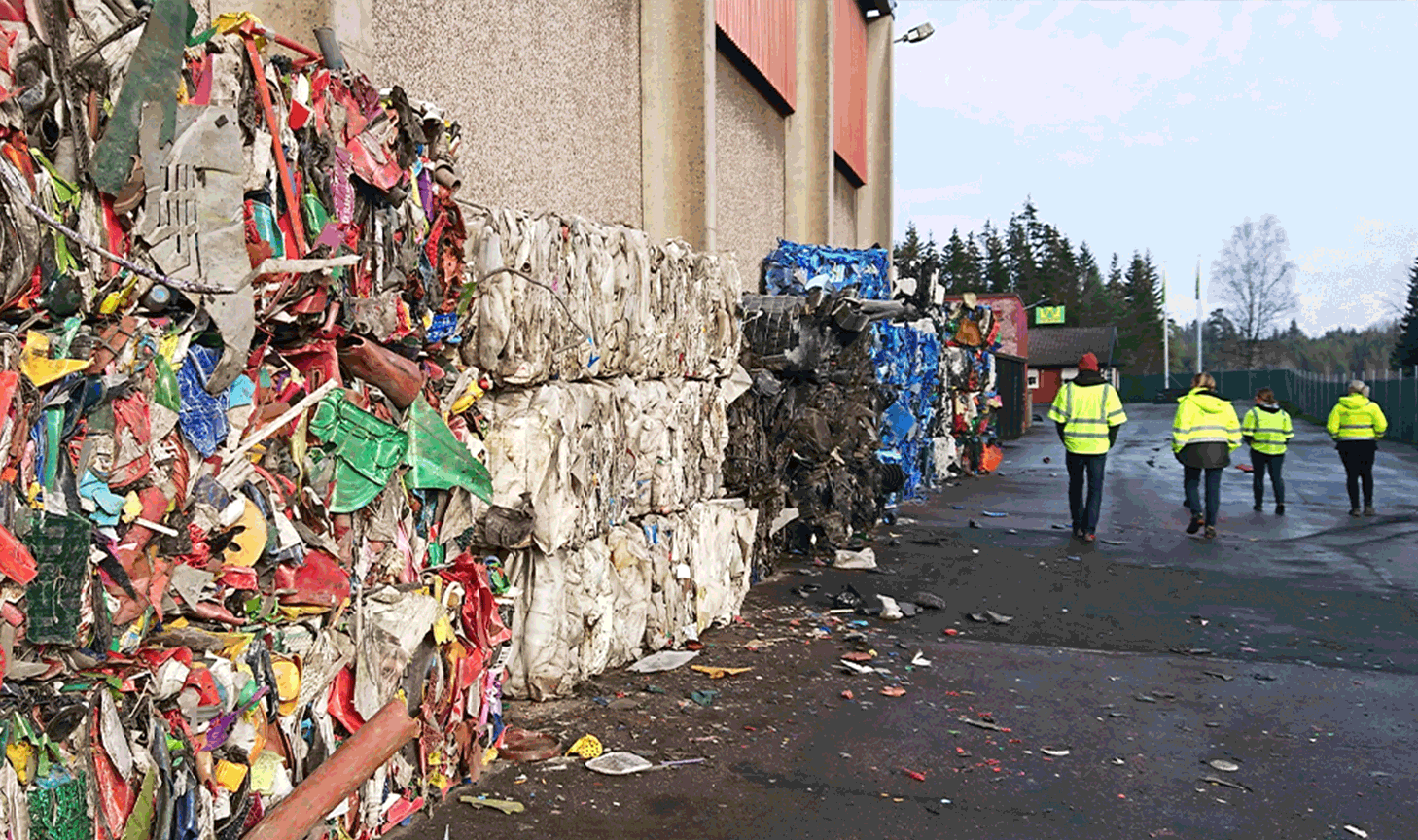
This project has enabled us to deep dive into the properties of electronics and plastics. Electronics products often contain a large number of different plastics with many different additives, to meet fire and safety regulations etc, making it close to impossible to recycle these plastics today, unless we create closed cycles and minimize complexity. Standardized labeling and efficient separation in the recycling process is a challenge that needs to be solved. In the future we may be able to recycle these plastics chemically by separating on a molecular level, however the process is very energy intensive so it will not be a preferred solution if not absolutely necessary.
read more
Design agency in Malmö Sweden, creating industrial design, ux and ui design, service design, sustainable design, circular design, web design, graphic design, branding, engineering. Design agency in Malmö Sweden, creating industrial design, ux and ui design, service design, sustainable design, circular design, web design, graphic design, branding, engineering.
Think more resource-oriented
Electronics age fast, even more so in today's smart integrated systems and it is a challenge to make them attractive over a longer period of time. Different components within a product have varying lifespans, and the lifespan of electronics is particularly vulnerable to change over time for several reasons. It is therefore essential to continuously consider this in order to optimize design, upgrade strategies, and system solutions—ensuring that electronics do not become the limiting factor in the overall durability of the product and the system it is part of. The growing “right to repair” movements in both the EU and the US emphasizes the growing demand for making these products easier to upgrade and repair.

So far, the general sustainability focus has mostly been on CO2 emissions and recycling, when it really should be more resource focused. It is still important to phase out toxic materials and to design for more recycled materials, but unfortunately that won’t cut it. One major reason to think more resource-oriented is the coming shortage of many critical raw materials. Several of these are part of critical components and are a prerequisite for many of the important technologies of the future. Key in the transformation towards more circular and sustainable design solutions is to maximize the use of resources, to extend the use-phase as much as we possibly can and then ensuring the most responsible and effective recycling.
main takeaways

Shift business focus

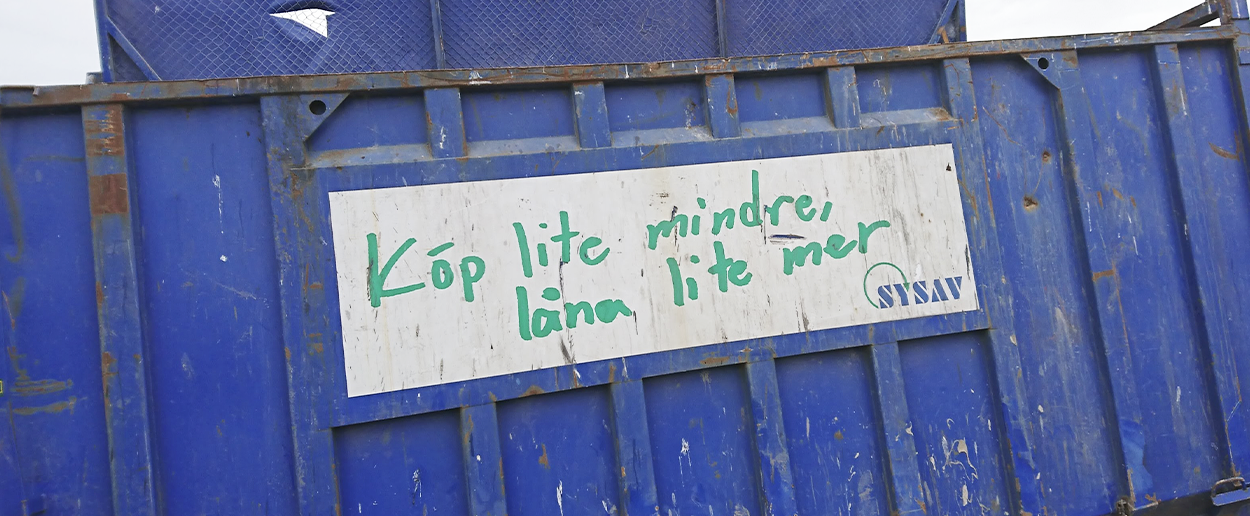
Companies need to be prepared to shift business focus from selling products, to selling the benefits of the products, which may require services and digitization in the business offering. To achieve this we need to consider new offerings for product ownership and user behavior and to rethink and redesign our products to extend the life cycles through repair, maintenance, upgrading, resale and remanufacturing etc. As a result, companies must probably challenge their suppliers and other important stakeholders in the value chain to think new and innovative, because collaborations are the key forward and we see many promising examples starting here.
read more
Design agency in Malmö Sweden, creating industrial design, ux and ui design, service design, sustainable design, circular design, web design, graphic design, branding, engineering. Design agency in Malmö Sweden, creating industrial design, ux and ui design, service design, sustainable design, circular design, web design, graphic design, branding, engineering.
Invaluable insights & spin-off projects
The design process will be a key enabler in this transition and developing new design solutions and services will prove necessary to enable the desired change and to fit these new business models.

The project resulted in many key insights that helped accelerate internal initiatives at both the organizational and operational levels. As a spin-off from the project, visionary initiatives were launched to explore alternative design solutions based on insights gained. Alternative sales models and ownership structures were examined, take-back solutions were developed and tested, and a circular strategy feasibility study was initiated.

Top 8 take aways

The project has resulted in a report (that can be requested from Vinnova) of which we list some of the conclusions and insights below. We hope this can help you get new perspectives and highlight possible obstacles and opportunities that you may not yet have considered, but perhaps already can act on.

1

System thinking is key! We are in this together and we cannot change only the product and materials in order to change the behavior of our customers.

2

Business models are crucial to adopting sustainable, circular solutions. Though changing a successful business model is challenging, it's a worthwhile investment as customer behavior can shift rapidly.

3

Redesigning products is often necessary to enable real transformation and to maximize the effects and profit from new opportunities and business models.

4

The sustainability framework and priorities need to be set before the first step in the product development process, otherwise we only address problems and solutions far down the waste hierarchy.

5

It can be a good idea to test in new markets/segments and in pilot projects that can be scaled up. Gradual scaling up and conversion to sales or service rather than product, with a focus on how we can generate customer benefits, is the way forward. 

6

A key to responsible circularity is to ensure control of your products after use.

7

There is often a lot of commitment and competence at an individual level in companies in the field of sustainability, but to achieve real change, clear guidelines and priorities from the highest level in an organization are needed.

8

Financial resources, education and training are often needed to be able to prioritize sustainability issues internally.
Curious about rethinking your product ecosystem for sustainability?
Get in touch
View all cases